
© www.topgeneralcontractorla.com 2026. All Rights Reserved
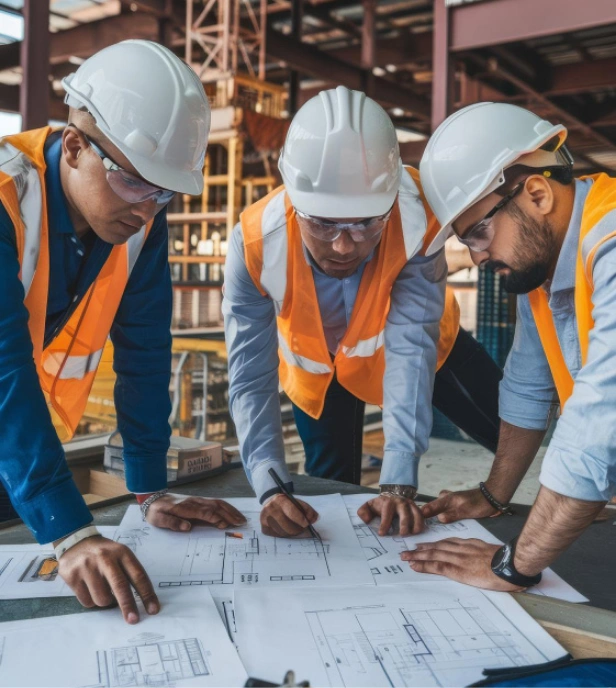
Thoughtful construction in Culver City works best when design, approvals, and field operations stay aligned. Top General Contractor LA connects property owners with contractor partners for ADUs, remodeling, roofing, solar, custom homes, and general construction, with planning shaped around updated bungalows, creative offices, and mixed-use properties.
From the first Culver City site discussion through final walkthroughs, Culver City project coordination is organized around limited access, evolving neighborhoods, and efficient jobsite planning. The aim is to make responsibilities, timing, selections, and next steps understandable before each phase moves forward.
Culver City construction guidance: A useful first step in Culver City is a property review that connects design goals with existing conditions. From there, the contractor can outline drawings, selections, approvals, cost priorities, and a workable schedule.
Culver City construction guidance: Yes. Culver City project planning can account for residents, tenants, customers, shared areas, and restricted work hours. The exact approach is developed around site access and the rules that apply to the property.
Culver City construction guidance: For work in Culver City, the project team reviews the proposed scope, prepares relevant documentation, and coordinates required submissions and inspections. Timing is discussed early because review periods can affect the schedule.
Culver City construction guidance: Culver City property owners can request help with renovations, accessory units, roof work, solar projects, additions, ground-up homes, and broader residential or commercial construction scopes.
Culver City construction guidance: Yes. Culver City lot conditions, building age, structural needs, household or business routines, finish goals, and local requirements are considered when the scope and sequence are prepared.
Culver City construction guidance: Culver City area experience helps a contractor ask better questions about site conditions, plan around common building types, and communicate more accurately about reviews, logistics, and likely project constraints.